
What we do
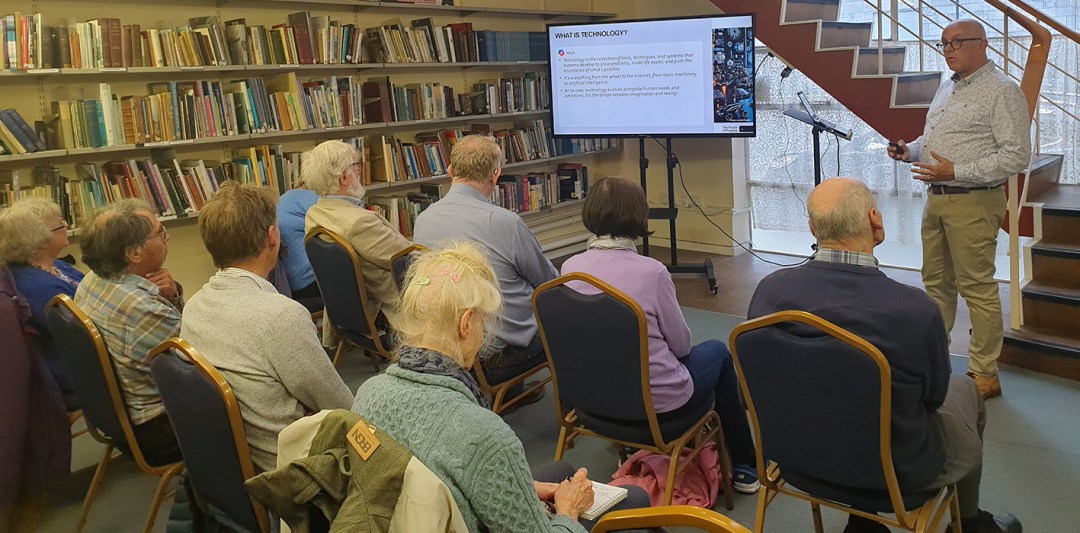
Since 1812 we have been inspiring learning in the arts and sciences through events, activities, groups, lectures and talks, libraries, exhibitions and displays and research and study.
Our mission is to
- promote the cultivation of useful knowledge, to encourage habits of research, and to afford opportunities to persons of various pursuits to study and discuss with each other any scientific, literary or artistic subject
- hold, conduct or promote meetings, conferences, lectures, exhibitions or training courses and to disseminate information to publicise the work of the Charity and other organisations operating in similar fields, and to disseminate cultural, artistic and scientific knowledge
- cause to be written and printed or otherwise reproduced and circulated, gratuitously or otherwise, periodicals, journals, magazines, books, leaflets or other documents, films, recorded tapes or materials reproduced on electronic media
- form and carry on libraries, collections and museums and to present displays and exhibitions
- form and carry on sections of the Charity devoted to particular branches of literature and the arts, science and technology
- promote or carry out research and disseminate and exchange the results of it
Where we are
We are based at the Plymouth Athenaeum at Derry’s Cross in the city centre of Plymouth. Find the Athenaeum on Google maps.
Who we are
The Plymouth Institution is governed by a Board of up to 13 trustees. Our current Chair of Trustees is William Telford. We have a President and up to three Vice-Presidents. Our current President is Prof Sir Ghillean Prance FRS.
Find out more about who are people are HERE.
History
The Socierty has its roots in three organisations that were founded in the first half of the 19th century.
The Plymouth Institution was founded in 1812. Architect, town planner and founding member, John Foulston, designed the building that would become the permanent home of the Institution. The Athenaeum building opened in 1819.
The Devon and Cornwall Natural History Society, formed in 1838, amalgamated with the Plymouth Institution in 1851 and the organisation became the Plymouth Institution and Devon and Cornwall Natural History Society.
The Plymouth Mechanics’ Institute, which was formed in 1825, was absorbed into the Society in 1899.
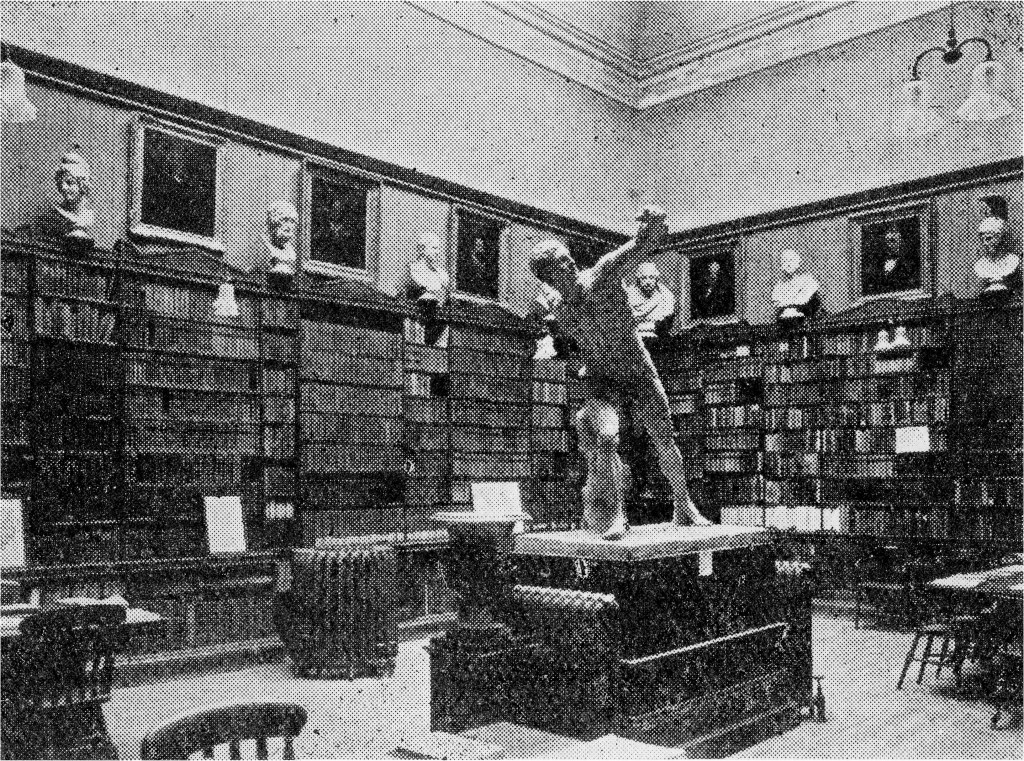
Foulston’s original ‘Athenaeum’ building was destroyed during The Blitz in 1941, resulting in the loss of the Society’s library, art and museum collections.
The Institution was renamed ‘The Plymouth Athenaeum’ when it moved into the current Athenaeum building in June 1961, which is sited on the same location as its pre-Blitz home.
In October 2026, the Society returned to using its original name, the Plymouth Institution.
Scientists Charles Darwin, Sir William Snow Harris, Dr Marie Lebour and Dr Alison Wilson are among the many distinguished figures to have been members of the Society. Darwin undertook preparatory work at the Athenaeum ahead of his voyage on HMS Beagle in 1831 and later became a member of the Society.

